

laminated low iron glass
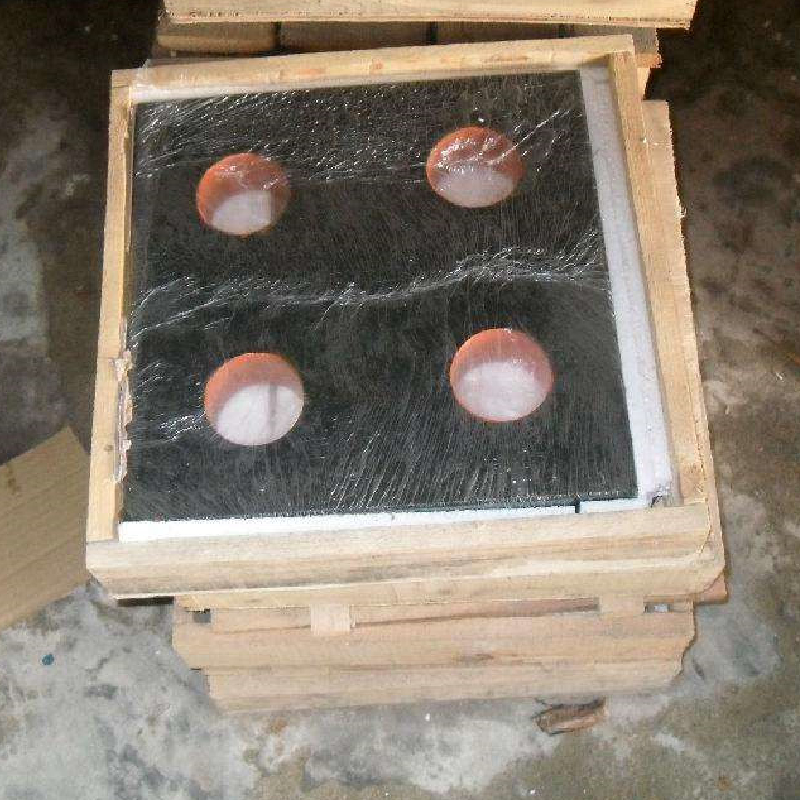
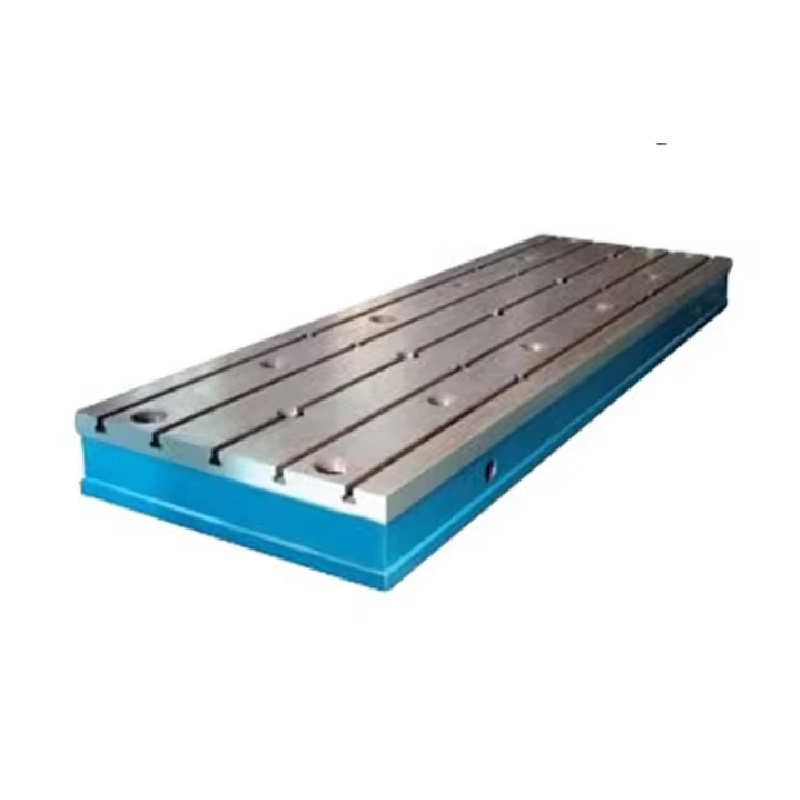
The Importance of Granite Angle Plates in Precision Engineering In the realm of precision engineering and manufacturing, maintaining accuracy and stability during the measurement and machining processes is paramount. This is where granite angle plates come into play. Renowned for their durability and precision, granite angle plates have become indispensable tools for engineers, machinists, and quality assurance professionals alike. Granite angle plates are essentially flat, rectangular stones made from natural granite, polished to achieve a smooth surface finish. They are typically used as a reference surface for measurement and assembly tasks, providing a robust and stable platform for various applications. One of the standout features of granite as a material is its dimensional stability, which means that it does not expand or contract significantly with changes in temperature or humidity. This property is crucial when working with high precision machinery, where even the slightest deviation can lead to errors in measurements and outcomes. A key application of granite angle plates is in the alignment and setup of machines and workpieces. During machining processes, ensuring that components are positioned accurately is essential for achieving the desired results. Granite angle plates serve as a reliable reference surface for aligning parts, helping to avoid misalignment issues that could compromise the quality of the final product. Their durability allows them to withstand the rigors of industrial environments, making them a long-lasting investment for manufacturers. granite angle plate Moreover, granite angle plates contribute significantly to the inspection and quality control processes. In manufacturing, precision is non-negotiable; hence, the need for accurate measurements is vital . These plates provide a stable surface for the placement of items being measured, ensuring consistent results. Inspectors often employ granite angle plates in conjunction with precision measuring tools such as calipers and dial gauges to verify the dimensions and tolerances of machined components. The flatness and smoothness of the granite surface minimize the risk of errors that could arise from warping or uneven surfaces. Apart from their technical advantages, granite angle plates are also aesthetically pleasing. The natural beauty of granite, with its unique patterns and colors, adds an element of sophistication to workshops and inspection areas. This visual appeal, combined with their functional benefits, makes granite angle plates not just tools, but also a symbol of craftsmanship and quality in the engineering field. In terms of maintenance, granite angle plates are relatively easy to care for. Regular cleaning and the application of a protective surface coating can help preserve their integrity and accuracy over time. It is important to handle them with care to prevent chipping or cracking, as these can impact their performance and measurement capabilities. In conclusion, granite angle plates play a crucial role in the field of precision engineering. Their inherent properties, such as stability and durability, make them essential for alignment, assembly, and quality control processes. As industries continue to demand higher levels of accuracy and consistency, the relevance of granite angle plates remains unwavering. For engineers and machinists aiming for precision in their work, investing in a quality granite angle plate is not just a choice; it is a necessity for achieving excellence in manufacturing and engineering practices. Whether used in small workshops or large-scale production facilities, granite angle plates symbolize the intersection of quality, reliability, and precision in the world of engineering.
about
laminated low iron glass
Understanding the Spirit Level Meter A Guide to Precision in Measurement A spirit level meter, also known simply as a level, is an essential tool used in construction, carpentry, and various engineering fields. Its primary purpose is to determine whether a surface is horizontal (level) or vertical (plumb). While this may sound straightforward, the applications of a spirit level can be quite complex, and understanding its mechanics and uses can greatly enhance the accuracy and quality of any project. The Mechanics Behind a Spirit Level Meter At the heart of a spirit level is a simple yet ingenious mechanism. The device consists of a sealed vial filled with liquid (usually alcohol or another colored fluid) and an air bubble. The vial is typically curved, which allows the bubble to rise to the highest point within the curvature. When the spirit level is placed on a surface, the position of the bubble indicates whether that surface is level. - Level Surface If the bubble is centered between the marked lines on the vial, the surface is perfectly horizontal. - Plumb Surface When the spirit level is used vertically, the same principle applies. If the bubble settles in the middle, then the surface is perfectly vertical. Types of Spirit Levels Spirit level meters come in various types to suit different needs. The most common types include 1. A-frame or Carpenter's Level This is the standard form and often features multiple vials, allowing for both horizontal and vertical measurements. 2. Torpedo Level Smaller and more compact, torpedo levels are ideal for working in tight spaces. They are often constructed with a magnet to secure themselves to metal surfaces. 3. Digital Level This modern variant uses electronic sensors to provide a digital readout of the angle, often enhancing accuracy and ease of use. Some digital levels feature additional functionalities such as angle measurement. spirit level meter 4. Laser Level A more advanced instrument, laser levels project a beam of light onto surfaces, creating a level line over long distances. This is especially useful for large projects where traditional levels might not work as effectively. Applications of Spirit Level Meters Spirit levels are indispensable across a multitude of applications, including construction, carpentry, and interior design . They are utilized when - Installing cabinets or shelves Ensuring these items are level helps maintain a professional appearance and supports optimal functionality. - Laying tiles An even floor or wall surface is crucial for aesthetic and practical purposes. Using a level meter during installation can prevent future cracking or uneven surfaces. - Framing and structural work Properly aligned frames are essential to the integrity and durability of buildings and other structures. - Landscaping Levels can assist in creating a balanced outdoor space, from patios to garden beds. Conclusion The spirit level meter remains a fundamental tool in ensuring precision in various trades and professions. Its simple design belies its effectiveness, and mastering its use can significantly improve the quality of work, from homes to commercial buildings. Investing in a reliable spirit level, whether it's a traditional model or a modern digital variant, is essential for anyone seeking to achieve accuracy in their projects. As technology advances, the spirit level will continue to adapt, but its core purpose—ensuring that our constructions stand straight and true—will always remain vital.
-

High quality industrial productsagement

High quality industrial products
View Details -

Meet the diverse needs of customers

Meet the diverse needs of customers
View Details -

Strict quality control

Strict quality control
View Details -

Top raw materials

Top raw materials
View Details -

Trusted supplier

Trusted supplier
View Details
Our application

news and information
Valve Wholesale - High-Quality Valve Supply for All Industrial Needs
Understanding Valve Wholesale An Essential Component in Industrial Supply Chains In the realm of ind
vibration pads
Understanding Vibration Pads A Comprehensive Guide In today’s fast-paced world, where machinery and
what is a water valve
Understanding Water Valves Their Role and Importance Water valves are essential components in plumbi
 English